How can the toxicity of a fire be quantitatively assessed during material combustion?
In material texting, evaluating toxic gas release is critical for determining fire performance and potential exposure risks.
Analyzing toxic gases and fire effluents enables the quantitative measurement of combustion by-products in accordance with internationally recognized standards, including ISO 19700, IEC 60695-7-50/60695-7-51, and application-specific regulations, such as EN 45545-2.
Furthermore, these standards define controlled, repeatable testing conditions that characterize material behavior, combustion efficiency, and the toxic potency of fire effluents.
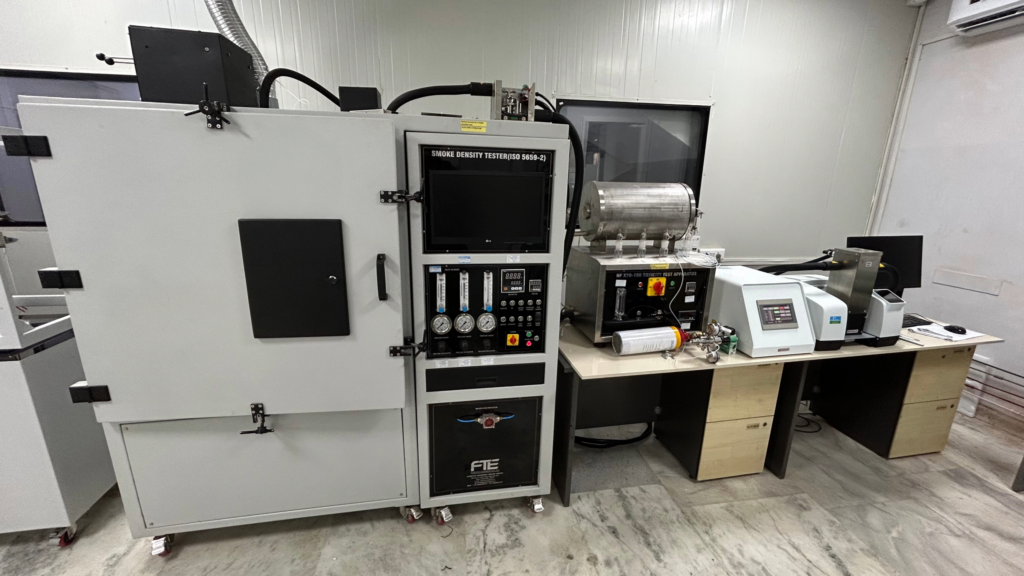
A recent REDshift installation in India, demonstrates the implementation of this analytical approach in a materials testing environment.
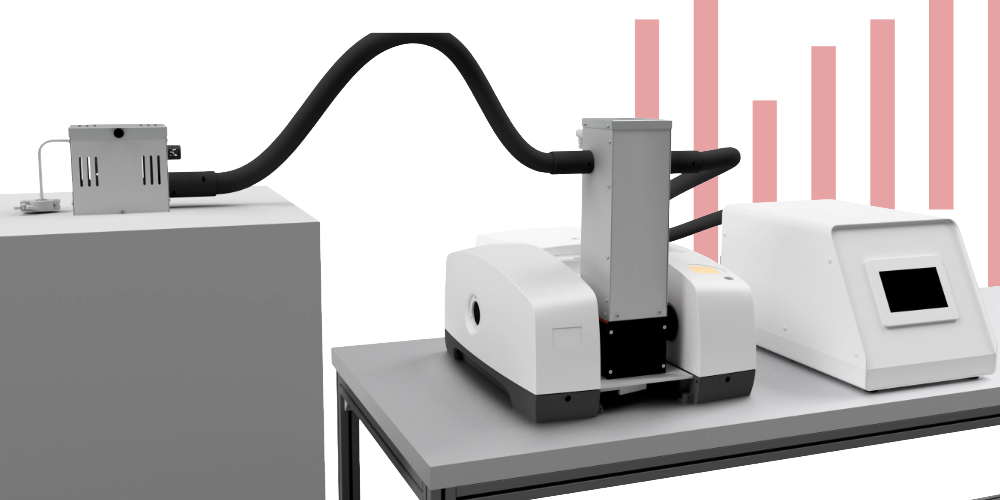
The system integrates Fourier transform infrared (FTIR) spectroscopy to continuously monitor fire effluents, calibrated on-site by the REDshift team, using customer-defined target gases and concentration ranges.
This ensure:
During testing, critical fire effluents, such as carbon monoxide (CO), hydrogen cyanide (HCN), hydrogen chloride (HCl), hydrogen fluoride (HF), nitrogen oxides (NO, NO₂), and sulfur dioxide (SO₂), are continuously monitored. This provides high-resolution, time-resolved data for toxicity assessment and compliance verification.
For laboratories and manufacturers, this results in application-specific calibration, robust analytical performance, and reliable data to support material qualification and regulatory compliance.